Introduction
CNC machining has revolutionized modern manufacturing with its precision and efficiency. Whether you’re a hobbyist or starting a machining business, this guide will help you get up to speed.
1. Understand the Basics of CNC
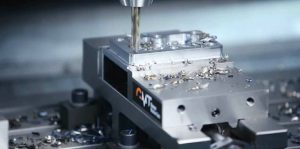
CNC (Computer Numerical Control) machines use pre-programmed software to control tools. They’re commonly used for cutting, drilling, milling, and turning.
2. Learn Your Machine Types
The most common CNC machines include milling machines, lathes, routers, and plasma cutters. Each has its strengths depending on the material and application.
3. Choose the Right Tools
Tool selection affects speed, precision, and surface finish. Always use the right tool for the job—end mills for contours, drills for holes, and inserts for turning.
4. Material Matters
CNC can handle metals, plastics, wood, and composites. Know your material’s properties to select proper feeds, speeds, and cutting techniques.
5. Master G-code Basics
G-code is the programming language for CNC machines. Learn how to read and modify it for better control over your operations.
6. Safety First
Always follow safety guidelines—wear protective gear, secure the workpiece properly, and keep your workspace clean.
Conclusion
CNC machining is both powerful and precise. With practice and patience, you can master this skill and open up a world of fabrication possibilities.